


Meeting Planners
OUR GOAL IS TO MAKE
YOUR JOB EASIER
Here Are Some Resources That You May Find Helpful.
Speaker Reel
TEDx Rainier/Seattle
Short Bio for Radio/TV
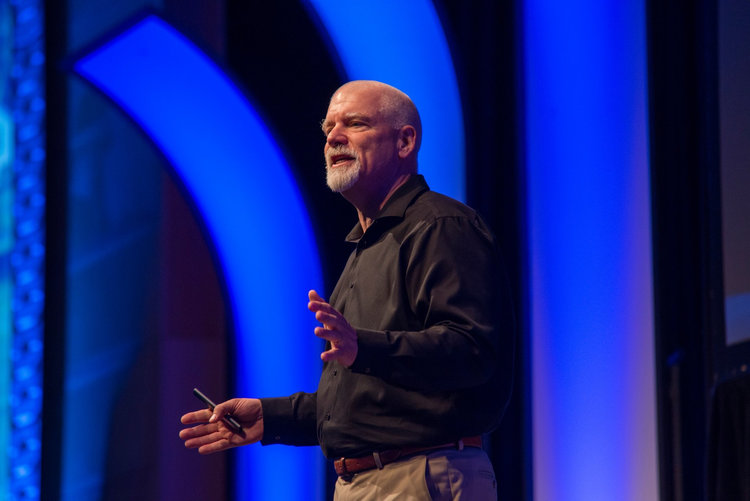
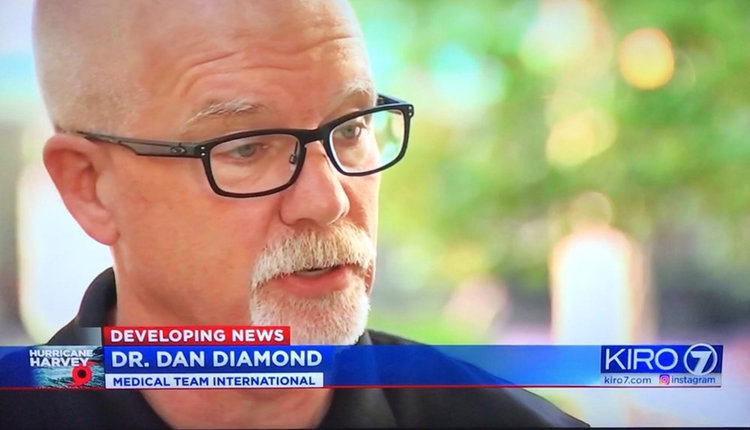
Well known for his work with organizations around the world, Dr. Dan Diamond equips leaders to make a difference when times are tough. Far from just motivational fluff, his rock-solid experience and trench-tested insights have been forged from the “front lines” of disasters around the globe. He was the Director of the Mass Casualty Triage Unit at the New Orleans Convention Center following Hurricane Katrina, led one of the first teams into Haiti after their devastating earthquake, and deployed to the Philippines following Typhoon Yolanda. Dr. Diamond is a Clinical Assistant Professor at the Elson S. Floyd College of Medicine at Washington State University. He has received multiple awards including the Red Cross Real Hero Award, the Washington State Governor's Award of Excellence, and President Obama's President’s Volunteer Service Award. He’s been seen on CNN, Anderson Cooper, and Larry King Live. This guy’s got something to say.
Promotional Images
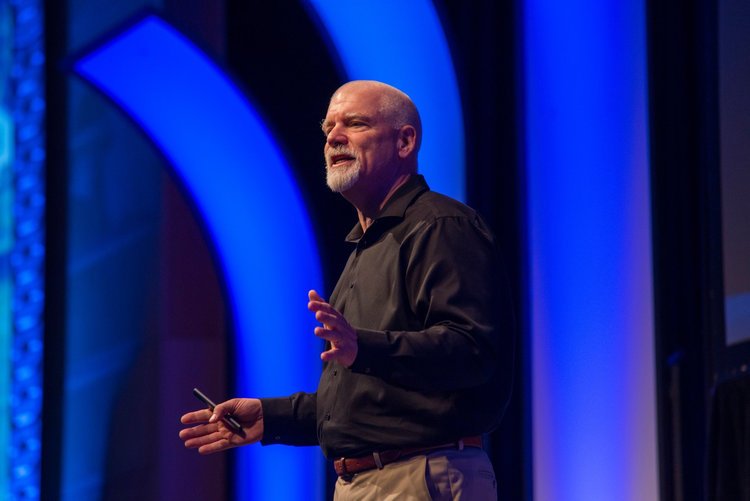


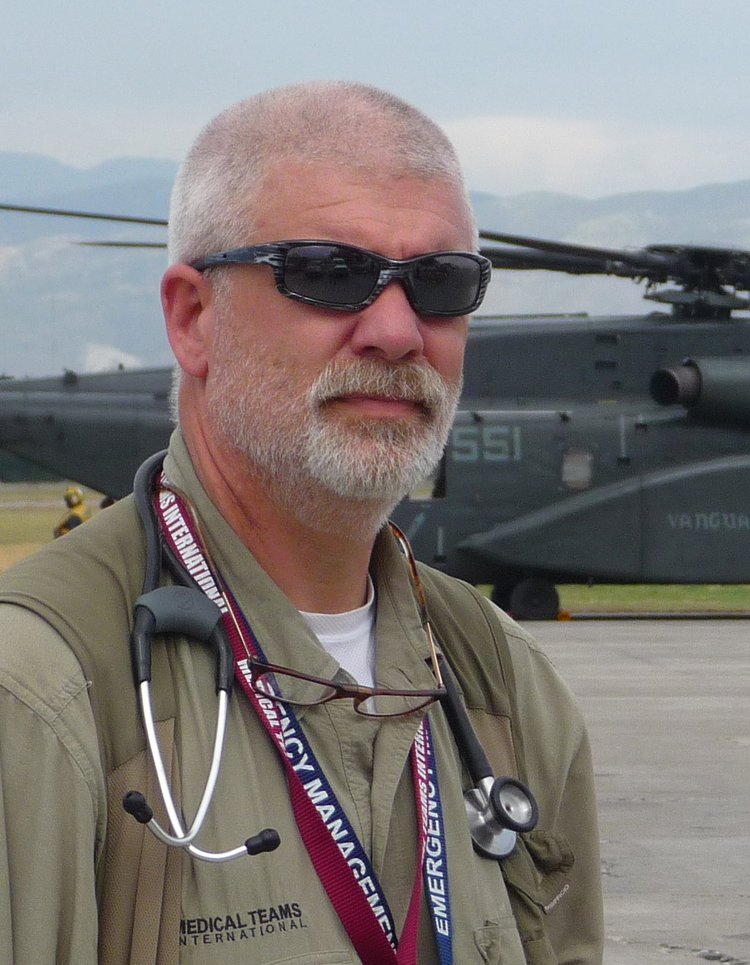


Expanded Bio
Dr. Diamond is well known for creating exciting and engaging learning experiences that connect with both the minds and hearts of participants, leaving them with practical concepts they will never forget.
As founder and director of the nation's first state-affiliated medical disaster response team, Dr. Diamond led medical responses to major disasters worldwide. He led one of the first medical teams into Haiti following their devastating earthquake and deployed to the Philippines following Typhoon Yolanda (Haiyan). Following Hurricane Katrina, he served as Director of the Mass Casualty Triage Unit at the New Orleans Convention Center. His expertise has been featured on CNN, Anderson Cooper, and Larry King Live.
Dr. Diamond is a member of the National Speakers Association and served as President of NSA Northwest from 2011-2012. As an experienced family physician and award-winning educator, he delivers practical information with creativity and skill through a variety of effective strategies that help participants rapidly master new information.
After earning his medical degree from the University of Washington, Dr. Diamond completed his residency in Family Medicine in Milwaukee. The American Academy of Family Physicians awarded him Fellowship status, and he is board certified with the American Board of Family Physicians. He previously served on the Editorial Board for the Primary Care Companion to the Journal of Clinical Psychiatry and is currently a Assistant Clinical Professor at the Elson S. Floyd College of Medicine at Washington State University. He was previously an Assistant Clinical Professor at the University of Washington School of Medicine for 33 years.
Dr. Diamond's contributions have been recognized with numerous awards, including the American Red Cross "Real Hero" award (2010), the Washington State Governor's Award of Excellence for his work in Haiti, President’s Volunteer Service Award from President Obama (2014), and the Quality of Care Lifetime Achievement Award from Healthcare Heroes.
The Diamond family is big on traditions, humor, and love.
Suggested Interview Questions

When disaster strikes, we can't look away — we're pulled into the survivors' stories. What is it about those moments that grabs us?
You've been on the ground in some of the worst disasters in recent memory — Katrina, Haiti, the Philippines. What's the side of those stories the cameras never showed?
Disaster preparedness matters, but your real passion runs deeper. What did the trenches teach you about leading under pressure in the rapidly changing world we live in today?
You talk about people who don't just survive hard times but come through transformed — coal into diamonds. What's the difference between the two?
Have you ever caught yourself slipping into survival-only mode? How do you climb back out?
Most of us aren't running into burning buildings — we're just trying to lead a team or hold a family together under stress. How does what you learned translate to everyday pressure?
We've all worked alongside people who drain the room. How do you stay grounded — and even lift others — when you're surrounded by that?
For someone in the middle of a hard season right now — where do they start if they want to not just survive it, but thrive?